How a 1920s land project became a city
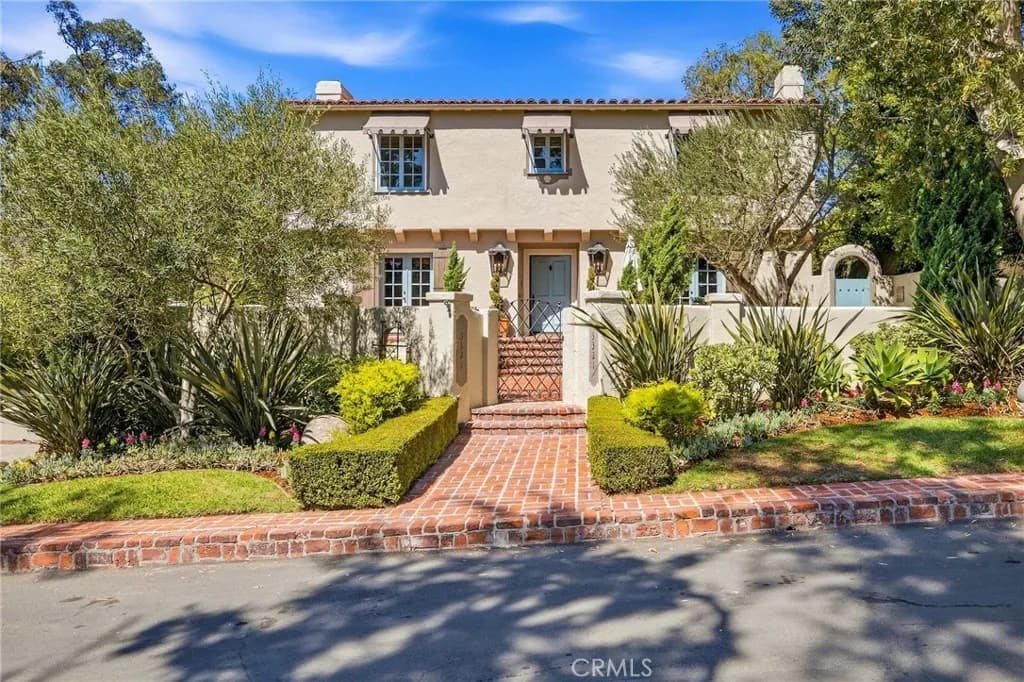
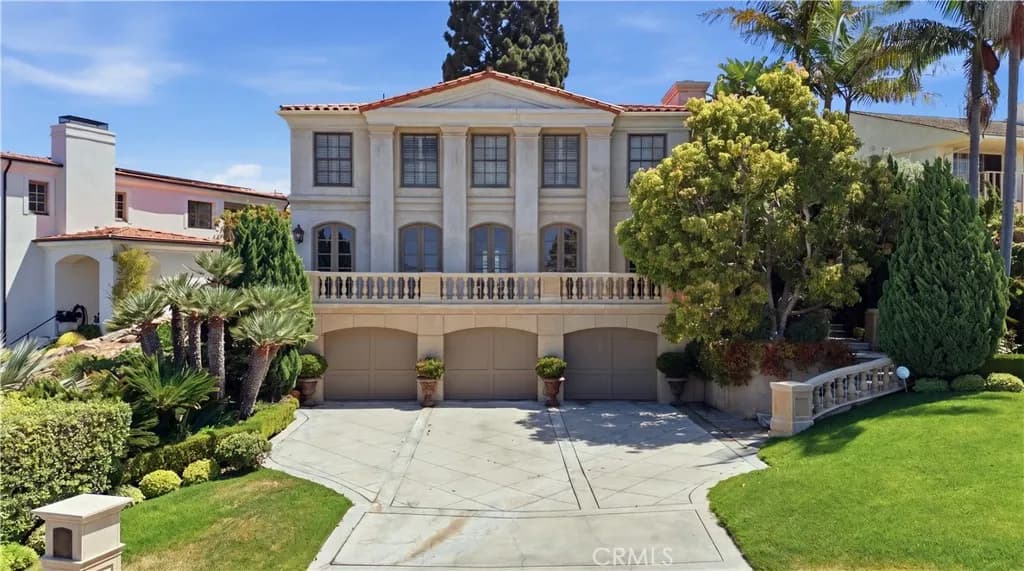
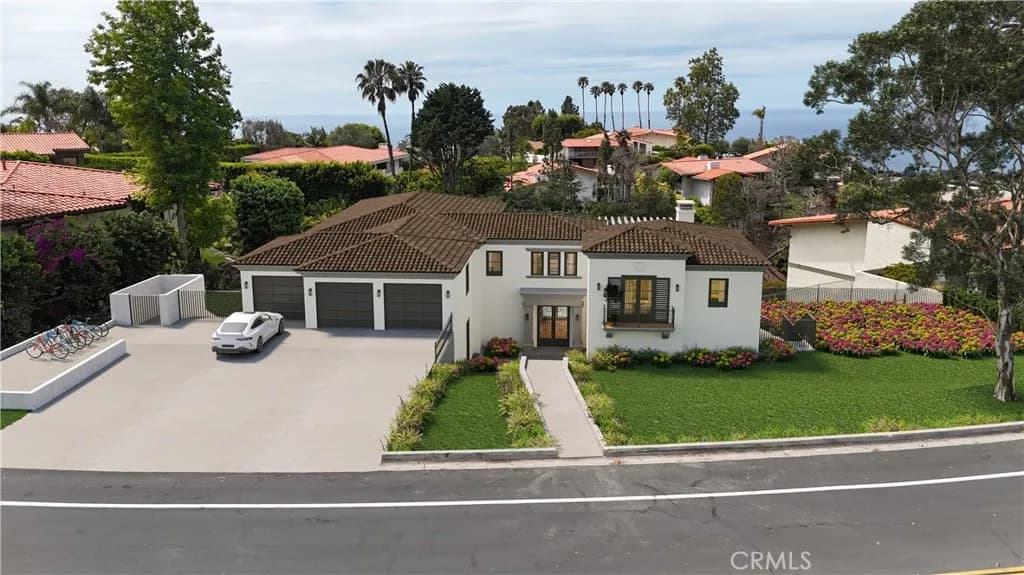
The city's origin has two parts, a plan and a tax bill. New York financier Frank A. Vanderlip, Sr. bought the land from the Bixby family in 1913 intending a planned residential community, and chose the Olmsted Brothers to lay it out. World War I slowed the work, and subdivision and the first Spanish-style homes followed in the early 1920s. In 1923 a trust indenture for the Palos Verdes Project imposed deed restrictions on the land, and the winding roads, tree stands and dedicated open space date from that design.
Those restrictions were not only about architecture. The National Register nomination for Malaga Cove Plaza records that they also barred occupancy by any person "not of the white or Caucasian race" other than household employees. In 1948 the U.S. Supreme Court held in Shelley v. Kraemer that court enforcement of such covenants denies equal protection of the laws, and California law now lets an owner, a title or escrow company, or a real estate agent record a Restrictive Covenant Modification that strikes the language from a recorded document.
The area was unincorporated at first and governed by the Palos Verdes Homes Association, which owed the property taxes on all of the parkland. After the 1929 crash the Association fell behind on those taxes to Los Angeles County, and residents, worried the parklands could be sold to pay them, voted in 1939 to incorporate. The City dates its incorporation to December 20, 1939, which makes it the oldest of the four Peninsula cities, and the Homes Association deeded the parklands to the new City in 1940.
That sequence explains the present arrangement. The City owns the Parklands, while the Homes Association kept the role the deed restrictions gave it: interpreting and enforcing those restrictions and appointing the Art Jury.
Art Jury and City: two approvals for one project
A project in Palos Verdes Estates usually answers to two bodies with different authority. The Palos Verdes Homes Association is a nonprofit corporation whose members are the owners of record in Palos Verdes Estates and in Miraleste, one vote per property. Its authority comes from the protective restrictions recorded in 1923. The Art Jury it appoints has six members serving staggered three-year terms, at least three of them practicing architects, and it reviews the external appearance of structures and properties: new construction and remodels, and also repainting, re-roofing and replacing windows and doors. In the Association's words, no structure can be built or altered without Art Jury approval. Its meetings are not open to the public.
The City's review is separate and public. Under the Neighborhood Compatibility process, the Planning Commission hears applications for new structures and remodels that meet the ordinance's criteria, looking at siting and massing, and the Association describes the ordinance as placing limits on size and height beyond those in the restrictions. Neighbors within 300 feet are notified. The applicant or a noticed property owner can appeal the Commission's decision to the City Council within fifteen days, and the Council's decision is final. The division of labor, as the Association puts it, is that the Art Jury judges how a building looks and the City judges how it is built: the Art Jury cannot approve a building that does not conform to City codes, and the City makes no judgment on architectural appearance.
Fire hazard zones after the 2025 map
Older city documents describe the fire map differently from the current one, so the date matters. The Housing Element the City adopted in May 2024 says the entire city is in a Very High Fire Hazard Severity Zone. CAL FIRE then issued new maps for Local Responsibility Areas, dated March 24, 2025, and the City Council adopted the updated zones on July 8, 2025. Every point sampled in the city is Local Responsibility Area, the class of land this map covers.
On the 2025 map the city is no longer uniform. Sampling the state layer on an even grid of 117 points inside the city limits put 39 in Very High, 10 in High, 13 in Moderate and the other 55 outside any zone. The class therefore has to be checked for the specific parcel in CAL FIRE's viewer, which the City links from its fire hazard page, and not inferred from the city or the neighborhood.
The designation carries into a sale. Civil Code section 1102.19's documentation and written-agreement duties apply only where a local ordinance requires compliance documentation or, where none does, a state, local or qualified nonprofit entity provides compliance inspections for the jurisdiction. If the seller has not obtained the documentation, the parties use the statute's written-agreement process; without a local ordinance, the buyer's one-year deadline also depends on an eligible inspection being available. For a home built before January 1, 2010, section 1102.6f has the seller give a notice about fire hardening. The Housing Element also records that the City bans shake roofs unless they are Class A fire-rated and runs a brush abatement program, and it counts six road entrances at the city line and says the city participates in the Palos Verdes Peninsula Emergency Readiness evacuation plan.
Who provides services, and how they are paid for
Palos Verdes Estates runs its own police department and does not run its own fire department. It is the only one of the four Peninsula cities with its own force: Rancho Palos Verdes, Rolling Hills and Rolling Hills Estates contract jointly with the Los Angeles County Sheriff's Department. The City provided fire service itself until 1986, when it began contracting with Los Angeles County for fire suppression, Fire Code enforcement and paramedic service. The County staffs Station 2 at City Hall with five personnel per shift. Drinking water comes from California Water Service, a private utility, and the library is a branch of the Palos Verdes Library District, a separate special district.
Funding rests partly on voter-approved taxes. The City says that of each dollar of property tax its homeowners pay, about 11 cents is returned to the City, with the rest apportioned to the County, schools and other agencies. That share is separate from parcel taxes such as Measure E. The City also says it has very little commercial property and levies no hotel, sales or utility users taxes. It has repeatedly used voter-approved parcel taxes and assessments since the 1980s. Voters declined to extend a fire and paramedic parcel tax in March 2017, which moved the County fire contract onto the General Fund, and in April 2018 they approved a nine-year special parcel tax dedicated to the Police Department. That tax, Measure E, appears on property tax bills and expires on June 30, 2027. As of September 2026 a successor, Measure PVE, is on the November 3, 2026 ballot: a six-year parcel tax at a new rate that would begin when Measure E ends and that needs a two-thirds vote. Confirm the election result and the parcel's actual tax bill before closing.