The boundary triangle: services district, school district and address are three different maps
Templeton has no city government. Local services come from the Templeton Community Services District (CSD), formed in 1976 and governed by an elected five-member board. Within its boundary, it provides water, sewer, fire protection, parks and recreation, refuse, street lighting and drainage. The district also runs its own fire department, Templeton Fire and Emergency Services, from a station in the townsite. It staffs the station with a combination of career and reserve personnel. Land use authority stays with San Luis Obispo County, under its inland land use ordinance and the Templeton community planning documents.
If you’re buying, don’t assume these institutions share one boundary. They don’t. The CSD service boundary, the Templeton Unified School District boundary and the reach of Templeton mailing addresses are three different lines. County address records put roughly a third of Templeton addresses outside the CSD. The school district reaches well beyond the CSD, but not everywhere a Templeton address does. Some of those out-of-district addresses are in Paso Robles Joint Unified instead. Even inside the CSD, district sewer isn’t universal. Some homes and businesses there still use septic systems. Each of these is settled parcel by parcel. So get written confirmation before you rely on either: from the CSD on water and sewer service, and from the school district on enrollment eligibility.
Templeton Unified as an institution
Templeton Unified School District runs a complete transitional kindergarten through grade 12 (TK-12) system, with its own campuses inside the community. Templeton Elementary takes the early grades and Vineyard Elementary the upper elementary grades. Then come Templeton Middle School and Templeton High School. Alternative programs include Eagle Canyon continuation high school, an independent study high school and a home school program. The district’s roots go back to the 1880s townsite era. Templeton was surveyed in 1886, and its school district was carved out of Paso Robles territory the following year. Total enrollment runs a bit over two thousand students across the programs. That makes it a small district by state standards, yet it runs a full program lineup. The lineup includes a performing arts center, career technical education pathways and an established FFA program at the high school.
If you’re buying, the institutional facts that matter are boundaries and process. The district serves a defined rural area between Atascadero and Paso Robles. It requires proof of residence within its boundaries for enrollment and publishes boundary verification resources. It also accepts interdistrict transfers through a formal process, so attendance isn’t strictly limited to students who live in the district. District boundaries don’t follow the Templeton Community Services District boundary or the postal address. So the reliable method is to verify the address with the district. If schools are driving your purchase, do it before you write an offer.
The district’s water sits in a different basin than its neighbor’s
Templeton’s district water and its rural wells don’t all draw on the same groundwater. The district’s wells all sit in the Atascadero Area subbasin. The state split that subbasin from the larger Paso Robles Area subbasin along the Rinconada Fault, and it isn’t on the state’s list of critically overdrafted basins. Our Paso Robles guide covers the Paso basin’s management framework. The Templeton Community Services District (CSD) supplies its customers from a layered portfolio within that system. Deeper wells draw on the Paso Robles Formation. Shallow river wells draw Salinas River underflow under State Water Board permits and a license. The district also retrieves treated wastewater that it percolates back into the underflow, through its conjunctive use project completed in 2019. And it imports Nacimiento Reservoir water, first delivered in 2011. The district can take only part of its Nacimiento allocation where that water is delivered now. It plans to move the delivery point to a new site, and its water model targets that project for later this decade.
Inside the CSD, a water supply buffer policy adopted in 2016 meters new connections. The district releases new water units only when its annual model shows at least a 20% supply buffer. The February 2025 review released a single unit. In June 2025 the board revised the policy to credit the wastewater that units not yet connected will eventually return, and released 249 units. After its February 17, 2026 review it released 58 more. Remaining units are offered first come, first served, through a will-serve application. Confirm availability with the district before you count on a connection.
Outside the CSD, the basin under a rural parcel varies. The state’s basin boundaries place most of the rural east side over the critically overdrafted Paso Robles Area subbasin. They place some rural land over the Atascadero Area subbasin, and much of the hill country west of Highway 101 outside any mapped basin. Whichever it is, the diligence is specific to the parcel. Look at well completion reports, production and recovery testing, water quality and the well’s depth and aquifer. Favorable geology under the district’s own wellfield establishes nothing about a particular rural well.
Main Street’s character is a plan, not an accident
Templeton’s downtown keeps its small-town, western look because county policy works to keep it that way. The townsite was surveyed in 1886, when Templeton was briefly the southern end of the Southern Pacific line. The grid of blocks and lots from that survey still frames the core. The county’s Templeton Community Design Plan is a formally adopted design document. It sets guidelines for the form and character of development in the community, and it supersedes conflicting standards in the land use ordinance. The Templeton Community Plan governs land use patterns. It keeps multifamily density lower in the older core so the single-family and small-commercial scale holds.
The downtown lost its best-known landmark on July 4, 2025. A fire sparked by illegal fireworks gutted the Templeton Feed & Grain on South Main Street. Its grain towers had stood over Main Street for decades, and they were demolished. The owners’ rebuilding plans bring a storefront back to the site but not the towers. Day to day, the core still works as a community center. A certified farmers market operates year-round on Saturday mornings at Templeton Park, at 6th and Crocker Streets. The Templeton Community Services District’s summer Concerts in the Park series plays the same park, and restaurants and shops line Main Street. If you’re weighing a home near downtown, the design framework is the fact to know. The rules that shaped the current character also shape what can be built next. They’re worth reviewing for any property in or near the townsite.
A regional hospital inside a small community
Templeton has a full acute care hospital. The facility at 1100 Las Tablas Road opened in February 1977 as Twin Cities Community Hospital. It replaced two aging hospitals, in Atascadero and Paso Robles, and that’s where the name comes from. Today it operates as a roughly 120-bed acute care campus with a 24-hour emergency department. Its clinical lines include orthopedic and stroke care, surgical services and maternity care. The hospital was formerly part of Tenet Healthcare. It and its San Luis Obispo sister facility, Sierra Vista, joined Adventist Health effective March 29, 2024. They now operate as Adventist Health Twin Cities and Adventist Health Sierra Vista. The related physician practices and imaging centers were included in the transition.
The corridor around the hospital matters too. The county community plan designates the Las Tablas area around the hospital for office and professional use. It also records substantial development in the hospital’s vicinity, west of Highway 101. The county’s own financial report ranks Adventist Health Central Coast, the system that runs both hospitals, among the county’s ten largest employers. If you live in Templeton, the hospital puts emergency and inpatient care minutes away rather than a highway drive. If you own property near the corridor, it’s a stable institutional anchor whose land use is well established in county planning.
The small-acreage fabric, and what governs new building
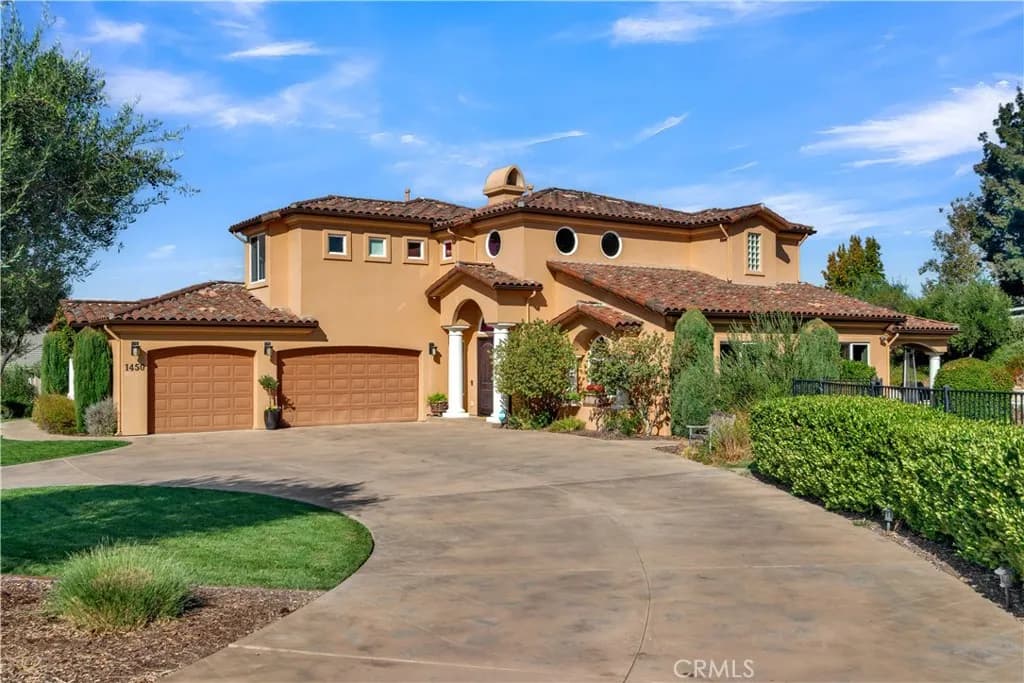
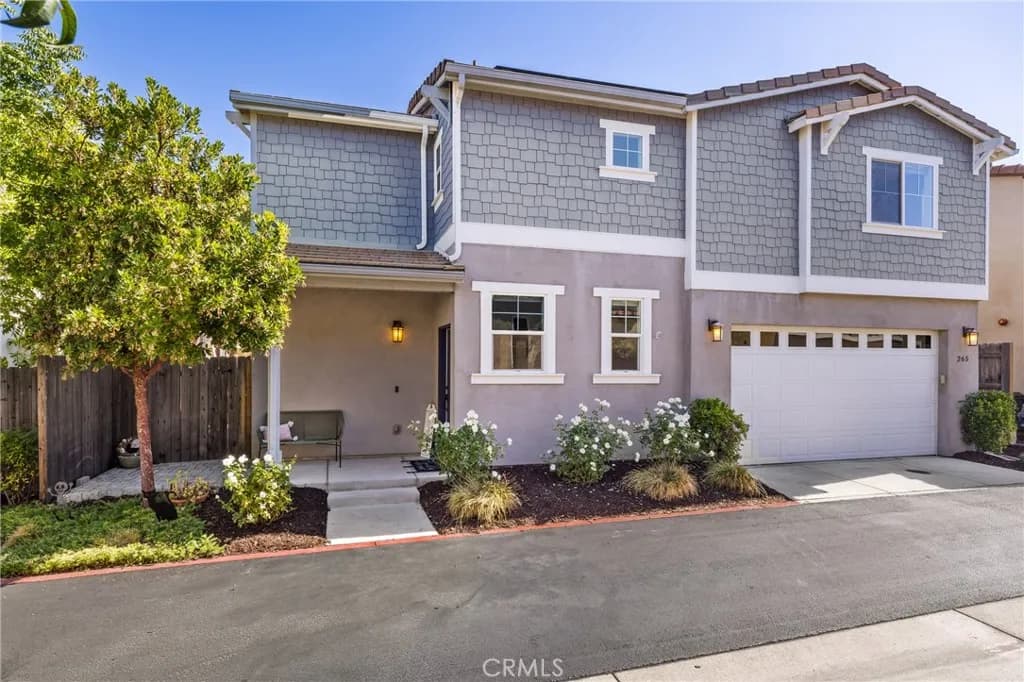
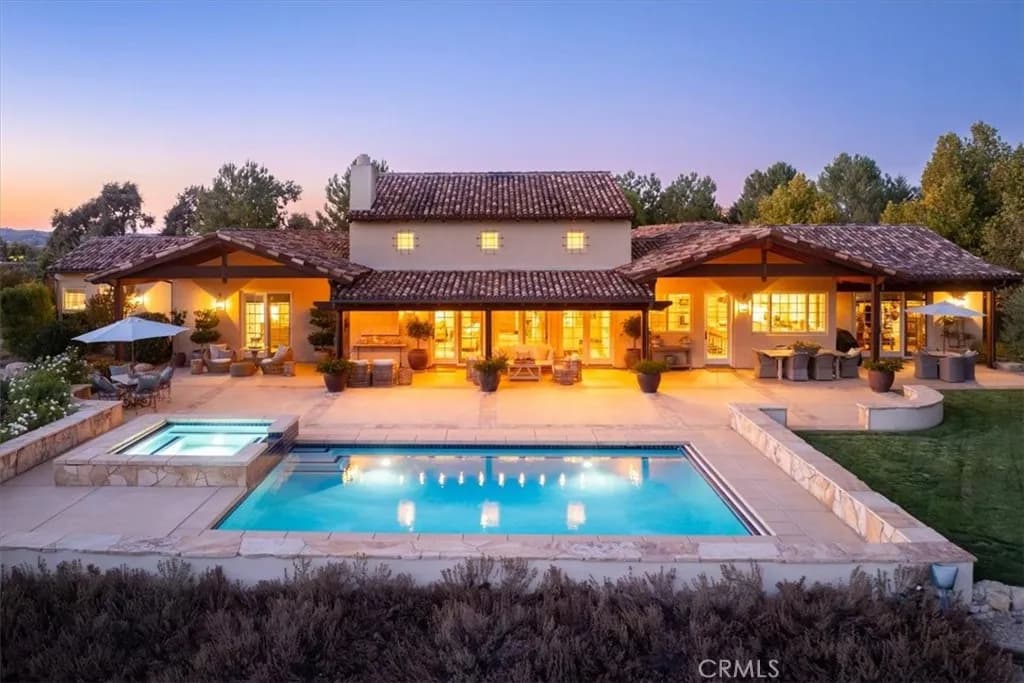
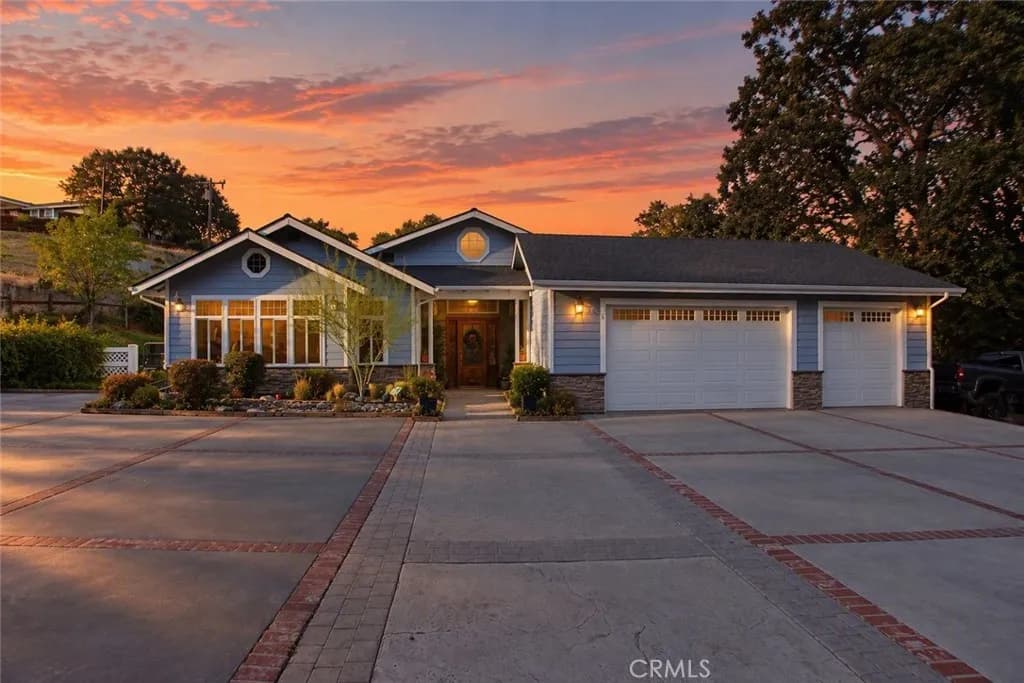
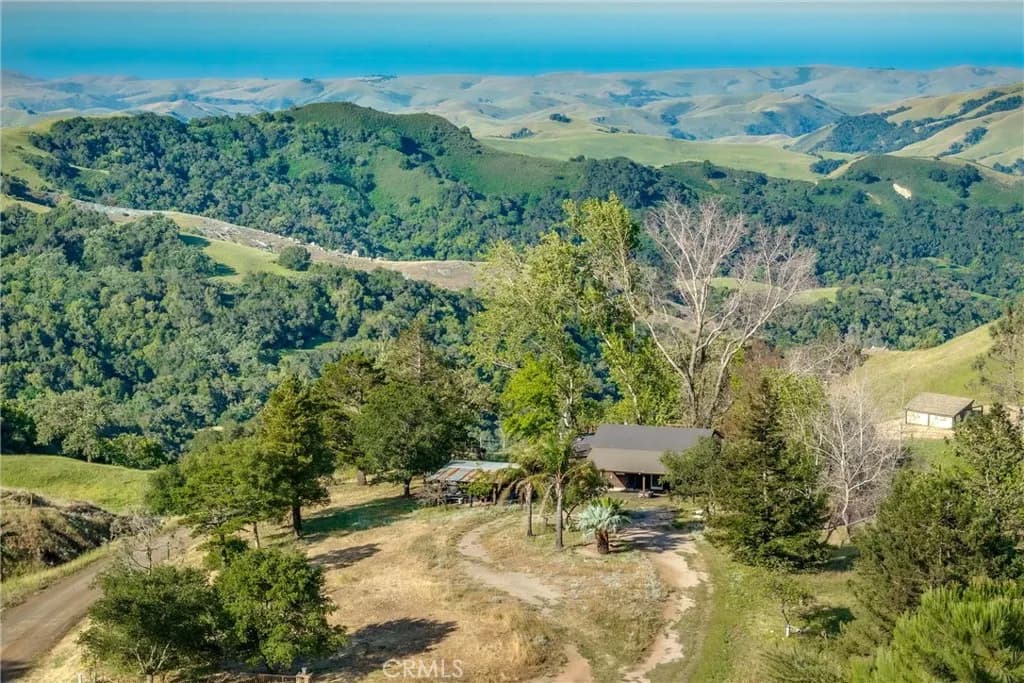
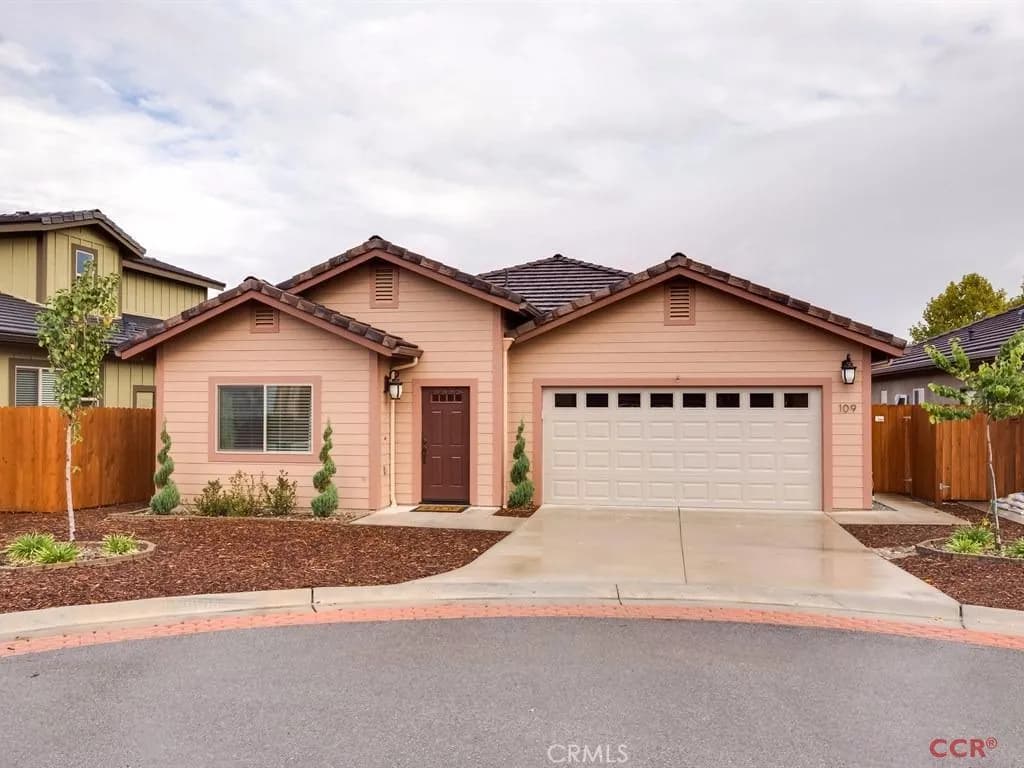
What buyers call Templeton acreage is mostly a ring of rural residential and suburban parcels around the townsite. It shifts outward to agricultural land. All of it falls under county land use categories rather than city zoning. The community plan describes the pattern directly. Townsite lots run roughly 7,500 square feet in the core. Beyond them are suburban areas with one-acre lots and clustered homesites. Residential rural estate parcels and agriculture sit at the edges. Animal keeping and small agricultural uses are allowed at levels the county’s standards set for each category. Accessory dwelling units (ADUs) and guest houses are permitted through county processes, which the county has streamlined in recent years under state law. Our buying land guide covers the county’s rural land rules. Structures, arenas and second units all raise permitting questions specific to the parcel. Confirm them before you make an offer.
New building here runs through two gates. The county community plan sets what each parcel may become. Inside the Templeton Community Services District (CSD), every new connection also needs a water unit released under the district’s supply buffer policy. That second gate has loosened. After the 2025 and 2026 releases, the district’s staff reported the wait list effectively cleared. They saw no need for further releases to serve it in the foreseeable future. Staff also noted that many projects had been delayed for years, citing development financing and high fees. The district still describes developing new supply as an ongoing challenge, and each release still depends on its annual model. Verify current will-serve availability with the CSD before you plan any project.
Fire zones change at the district line, and flood zones stay narrow
On maps from the California Department of Forestry and Fire Protection (CAL FIRE), wildfire responsibility changes close to the Templeton Community Services District boundary. Every address inside the district is in the Local Responsibility Area, which the district’s own fire department serves. The State Fire Marshal’s hazard map for that area is dated March 24, 2025. The county adopted it for its unincorporated land that year. It leaves most of those addresses outside any hazard zone and puts the rest in Moderate or High zones. None is rated Very High. Outside the district, more than nine in ten Templeton addresses fall in the State Responsibility Area. There, the hazard map in effect since April 1, 2024 rates most of them High and a smaller share Very High. If you’re selling, the natural hazard disclosure form you complete has a line for State Responsibility Area land. It states that the owner is subject to the defensible-space maintenance requirements of Public Resources Code section 4291.
Flood exposure is narrower. The Federal Emergency Management Agency (FEMA) flood map puts only a small share of Templeton addresses in its Special Flood Hazard Area. On the panel covering the townsite, that map has been effective since November 16, 2012. In town, the hazard area takes in a band of homes along Salinas Avenue and lower Las Tablas Road and a few parcels near the Salinas River. Outside the district, it takes in scattered parcels beside creeks. The county’s community plan also notes that heavy rains bring some flooding along the Toad Creek channel. The seller’s natural hazard disclosure covers the flood designation too. The flood and fire designations are both set parcel by parcel. So if you’re buying, read the disclosure for the exact property rather than inferring from the street.