The Paso Robles Groundwater Basin: two water worlds in one market
The California Department of Water Resources has designated the Paso Robles Groundwater Basin as critically overdrafted. Under the Sustainable Groundwater Management Act, local agencies filed a Groundwater Sustainability Plan in 2020. The state first found it incomplete, then approved a revised plan in 2023. Local groundwater sustainability agencies later formed a joint authority to carry out the plan. Funding and management measures have kept shifting. In 2025, a landowner protest rejected a proposed property-related basin fee. In early 2026, the county set up a voluntary fallowed-land registry. In May 2026, the joint authority adopted a groundwater sustainability fee under the state Water Code. It’s charged per acre-foot of consumptive use and collected on the county property tax roll. The fee reaches agricultural, public water system and commercial extractors. Extractors within the state’s de minimis threshold, two acre-feet a year or less for domestic use, aren’t charged. The direction of travel is toward more measurement and more accountability for agricultural pumping. For critically overdrafted basins, the statutory timeline runs through roughly 2040.
What this means for you depends entirely on which water world a property occupies. A rural parcel over the basin relies on its own well. There, diligence centers on well logs, production history and basin position. Check the county’s agricultural offset requirements for new irrigated planting under its land use ordinance. Also check where the parcel’s own pumping falls relative to the domestic threshold the basin fee exempts. A home inside the city limits sits on a separate municipal portfolio. The City draws on shallow wells in the Salinas River underflow, deeper basin wells and a contracted entitlement from the Nacimiento Water Project, completed in 2011. It also draws on a recycled water system whose distribution network has been under construction, with completion targeted around 2026. It’s the same map with two fundamentally different water conversations. The difference should shape both your price expectations and your inspection priorities.
West side and east side are different products, not just different directions
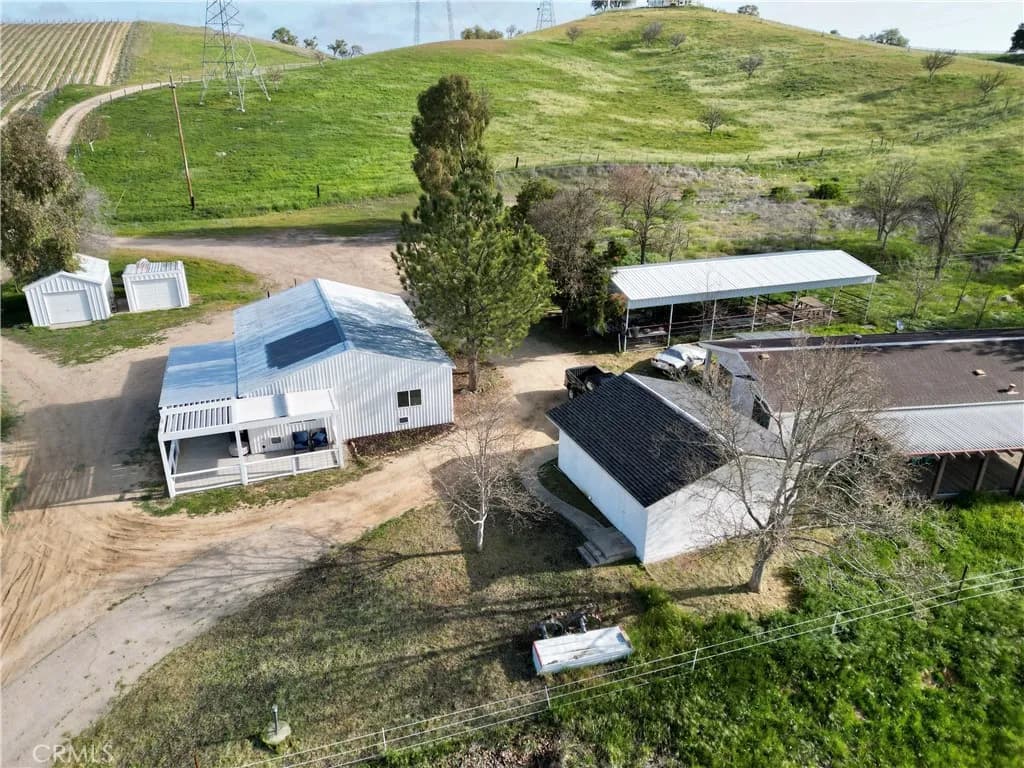
The structural split in Paso Robles runs along Highway 101 and the Salinas River. To the west, the Adelaida, Willow Creek and Peachy Canyon areas are unincorporated county land. These are hillside parcels at elevations reaching roughly 2,200 feet, served by private wells and septic systems and zoned under county rural categories. Canyon roads reach them, and those roads add real drive time despite short straight-line distances. These names aren’t marketing inventions. Adelaida is both a county planning area and a federally recognized AVA district. Willow Creek is likewise an established AVA district, dating to the 2014 federal approval of eleven districts within the Paso Robles AVA.
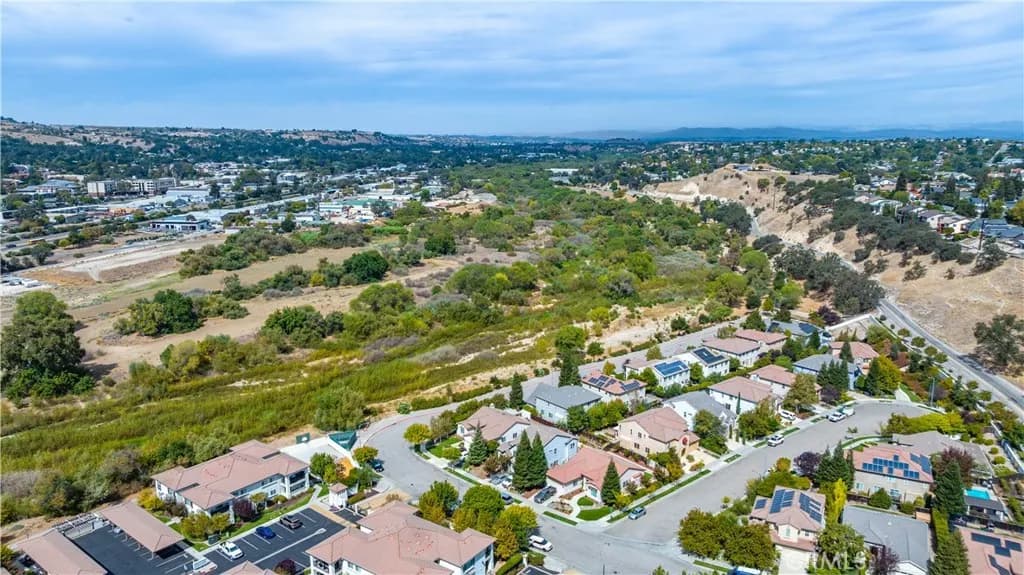
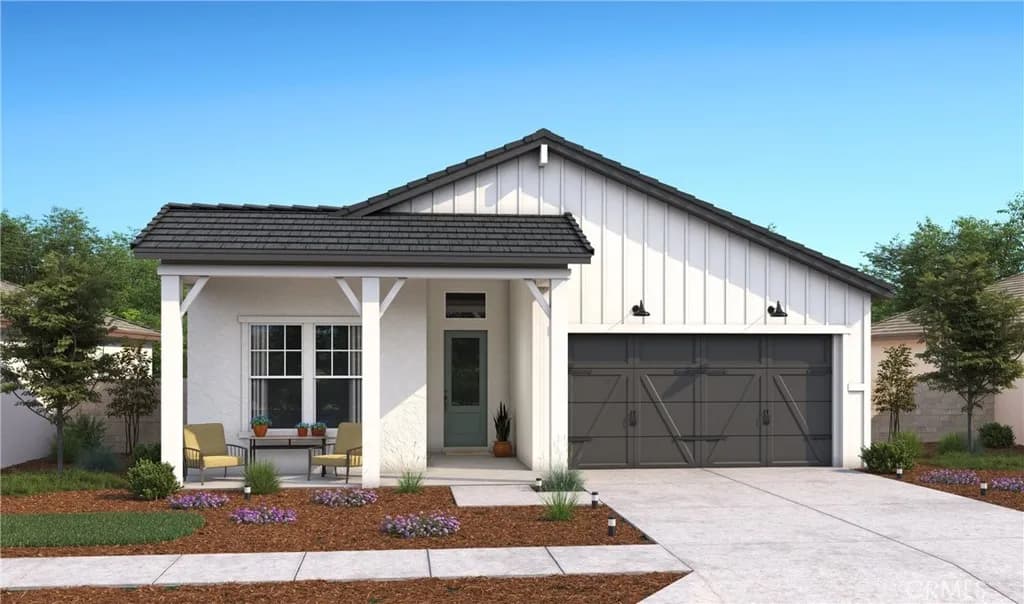
To the east, the land inside and beyond the city limits flattens out. It holds established neighborhoods like Golden Hills, commercial corridors and newer master-planned growth. The most visible example is the Olsen-South Chandler Ranch specific plan, approved in 2020 for roughly 1,293 units that build out in phases over two to three decades. East side city parcels connect to municipal water and sewer. Farther east, county agricultural land resumes. If you’re buying, west versus east is a difference in jurisdiction, infrastructure, road network and parcel fabric. Each of those differences carries its own diligence checklist.
Downtown Paso built its arrival in brick and permits
Downtown Paso Robles is organized around City Park, a full square-block park in the street grid. Its transformation over the past decade is documented in completed projects rather than adjectives. The Piccolo, a 24-room boutique hotel, opened just off the square in late 2019. Its operators added a 12-room companion concept in late 2024. Paso Market Walk, a mixed-use food hall with lofts on Spring Street, opened in 2020. A restored 1947 motor lodge reopened as the Farmhouse in 2023. The Ava Hotel opened a block from the square in 2025 as the area’s first Curio Collection property. It’s part of a city pipeline that has contemplated hundreds of additional hotel rooms.
Alongside the hotels, more than a dozen wine tasting rooms operate within the downtown core. The City has planned for continued mixed-use intensification, including a railroad district corridor concept east of the square. If you own property downtown, note that its evolution has been steady, incremental and heavily permitted. That’s a different pattern from a speculative boom. Whether a particular downtown property makes sense as an investment is a separate question that depends on specifics. Talk it through with a broker rather than judging from the streetscape.
Two short-term rental rulebooks, one wine region
Short-term rental rules around Paso Robles split cleanly at the city limit. Inside the city, the short-term rental ordinance adopted in 2019 separates hosted homeshares from non-hosted whole-home rentals. It now sits in Municipal Code Chapter 21.64, and a council resolution sets the caps. Non-hosted permits are numerically capped citywide, with a smaller sub-cap in the R-1 single-family zone. Both caps have been reached, and waitlists have operated for years. Homeshare permits aren’t capped. Separately, the City’s ADU rules bar renting an accessory dwelling unit for less than 30 days. The short-term rental chapter still mentions ADUs in its homeshare definition, so confirm with the City before you count on renting one. Whether a permit transfers varies by zone, and the rules have been amended more than once, so always confirm the current status.
Outside the city, county rules govern. In the inland area, a residential vacation rental needs a zoning clearance under the county land use ordinance (Title 22, Section 22.30.510). It also needs a county business license and transient occupancy tax registration. Operating standards include occupancy and tenancy limits. The Adelaida area carries additional provisions, including a lower visitor cap and a wide neighbor-notification radius. Williamson Act parcels face further restrictions. There, a vacation rental must remain incidental to the agricultural use, and farm support quarters can’t be rented. If you’re modeling guest-house income on a wine country parcel, treat the permit pathway as the first feasibility question, not the last.
What ag-zoned land actually permits, and what it doesn’t
Agricultural zoning around Paso Robles is a county framework with real teeth. If you’re buying, learn the structure before you fall for the view. Within the Paso Basin Land Use Management Area, new or expanded irrigated crop production using basin groundwater has been subject to the county’s agricultural offset requirements (Title 22, Section 22.30.204). That framework dates to 2013. It generally requires new irrigation to be offset by reductions elsewhere, with limited exemptions. It has been revisited several times, most recently with early-2026 amendments that created a voluntary fallowed-land registry. So the current text matters more than any summary.
Wineries, tasting venues and events on agricultural land are regulated uses too. Their permit level depends on scale and location under the county land use ordinance, so never assume they’re allowed by right. Williamson Act contracts add another layer. A large share of agricultural land over the basin is under contract. A contract lowers property taxes in exchange for maintaining agricultural use. It also restricts compatible uses and carries penalties for violations. Agricultural wells and domestic wells are also treated differently, in permitting and in basin management discussions. None of this makes ag land unbuyable. It makes the diligence list specific. It’s also why you should never assume vineyard property is income property without a real operating analysis.
The airport corridor is Paso’s quiet second economy
The Paso Robles Municipal Airport sits four miles northeast of downtown on roughly 1,300 acres of city-owned land. It was originally built in 1943 as the Estrella Army Air Field and transferred to the City in 1973. The City operates the airport and maintains a 6,000-foot main runway, with improvements planned. It offers business park zoning both on airport land for lease and on surrounding land for purchase. That combination of city control and available industrial land is unusual on the Central Coast. It explains why the corridor keeps attracting proposals.
Recent activity underscores the trajectory. The City has pursued a spaceport license from the Federal Aviation Administration. It has also branded a Space Innovation and Technology Park vision that connects the airport with regional educational institutions, and several aerospace firms have signed letters of intent. The Landing is a roughly 140-acre project at the former Boys School site at Airport and Dry Creek Roads. It has been proposed for warehouse, light industrial and business park uses. It was still in environmental review as of its recirculated draft environmental impact report in 2025. Separately, a roughly 295-acre industrial land offering next to the airport came to market in late 2025, within what the City has described as a tech corridor. Individual projects rise and fall, so verify entitlement status case by case. But the corridor’s direction is documented in City plans rather than rumor.
The heat is real, and so is the nightly reprieve
Paso Robles has an inland climate that can surprise you if you’re arriving from the coast. Midsummer afternoon highs typically run in the low to mid 90s Fahrenheit on average, and heat events push well past 100. On the same afternoons, San Luis Obispo County’s coastal towns commonly stay in the 60s under marine-layer influence. The inland-to-coast gap on a summer day is routinely 25 to 30 degrees and can exceed 30 during heat events. Keep that in mind before you tour homes in July.
The daily temperature swing makes up for it. Federal AVA documentation for the region describes cool marine air spilling through the Templeton Gap in the Santa Lucia Range on summer afternoons. That air flows across the western and central districts. Overnight lows drop into the 50s even after the hottest days, producing daily swings of 40 degrees or more. That same hot-day, cool-night pattern is the engine of the local wine industry. It also shapes practical homeownership. Western hillside areas and gap-influenced corridors moderate earlier in the evening than the eastern flats. Orientation, shade, insulation and cooling systems matter more here than in coastal SLO County. If you’re buying, treat a home’s cooling setup as core infrastructure rather than an afterthought.