How an unincorporated beach town actually runs
In Oceano, several agencies split the work. The Oceano Community Services District (CSD) runs the utility side for Oceano and neighboring Halcyon. A five-member elected board governs it, and it handles water, sewer, the solid-waste and recycling franchise, street lighting and a limited parks role. San Luis Obispo County handles land use, building permits, zoning and code enforcement. The community is split between the county’s coastal-zone ordinance and its inland ordinance, plus Oceano-specific community standards. The county Sheriff provides law enforcement from its South Station on Front Street, in Oceano itself. Between residents and the county sits the Vitality Advisory Council of Oceano. It reviews development and land-use matters for the Oceano and Halcyon area and forwards recommendations to the Board of Supervisors. If a project is planned near your parcel, the council is where it’s likely to surface first.
Fire service has changed structure, and the details matter. Oceano was a founding member of the Five Cities Fire Authority joint powers agreement in 2010. After two revenue measures failed at the ballot, the CSD moved to exit fire service. The Local Agency Formation Commission approved the divestiture in December 2024. As of January 1, 2025, San Luis Obispo County contracts with the Five Cities Fire Authority to serve Oceano from the Arroyo Grande and Grover Beach stations. The Oceano station had closed earlier. The service is intact, but the provider structure changed, so if you read older material, you’ll find outdated descriptions. As with any district arrangement, verify current provider and boundary details with the CSD and the county.
Where Oceano’s water comes from, and why the utility bill is going up
The Oceano Community Services District draws its water from more than one source, so its supply is worth understanding before you buy. Part is surface water delivered under contract from Lopez Lake. It comes as a fixed annual allotment that can be trimmed in dry years and topped up when surplus is available. Part is groundwater pumped from district wells in the Northern Cities Management Area of the Santa Maria Valley basin. There, a 2005 court adjudication governs each producer’s share, not how much a pump can lift. A State Water contract share, administered through the county, sits alongside both. No single source is the whole supply, and each has its own legal ceiling.
What lands on your monthly statement changed recently. In 2025 the district’s board adopted multi-year increases, phased across roughly five years, to pay for capital work and deferred maintenance the district hadn’t funded. That came after an outside rate study and the Proposition 218 protest process, which California requires before a district can raise rates. The increases are steep on the sewer side and substantially smaller on water. If you’re buying, treat this as a carrying cost, not a market statistic. Ask the seller for recent water and sewer statements. Then confirm where the property sits in the adopted schedule, because the phased steps land on their own timetable. The district publishes the current rates.
The dust program next door: what’s being done at the dunes
Air quality on and around the Nipomo Mesa is governed by a formal regulatory order, not a vague controversy. In 2018 the San Luis Obispo County Air Pollution Control District’s independent Hearing Board approved Stipulated Order of Abatement 17-01. The order is between the district and State Parks’ Off-Highway Motor Vehicle division. It requires measurable reductions in windblown particulate matter (PM10) from the Oceano Dunes State Vehicular Recreation Area. The program includes a Scientific Advisory Group of dune and vegetation experts and annual work plans that the district reviews and conditionally approves. Controls on the ground include fencing, native-vegetation planting (including a foredune restoration project), straw treatments, sand-flux monitors and meteorological stations.
The program is ongoing. Annual reports and work plans have kept moving through district review in recent cycles. The underlying science has been publicly debated, including peer-reviewed source-attribution work and competing studies. This page takes no position on that debate. The facts you can check are the order, the work plans and the district’s monitoring data, all published at slocleanair.org. If the issue matters to you, read the current-year documents there rather than any summary, including this one.
Living below the levee: Oceano’s flood picture on the ground
The Arroyo Grande Creek flood-control channel forms Oceano’s eastern flank. It’s managed under the county Flood Control District’s Zone 1/1A. The north levee protects Oceano residential areas, mobile-home parks and part of the commercial district. It also protects the regional wastewater treatment plant serving Arroyo Grande, Oceano and Grover Beach. By design, the north levee is kept higher than the south levee, so that any overtopping favors the agricultural side. In January 2023, storm flows both overtopped and breached the levee system, flooding farm fields and homes in low-lying areas. Repairs followed, along with reinforcement along the mobile-home parks. The March 2023 storms brought renewed evacuation orders. The county has since pursued a levee-raise and channel-management program with federal involvement.
If you’re buying, this comes down to three steps. First, pull the FEMA Flood Insurance Rate Map panel for the exact parcel. Oceano’s mapping includes high-risk zones, where federally backed lenders require flood insurance. It also includes levee-related designations and lower-risk zones, sometimes within blocks of each other. Second, ask for any elevation certificate and the property’s 2023 storm history. Third, price flood insurance during the inspection period. It’s a carrying cost that varies sharply by zone and structure. Flood maps and levee projects both change, so verify current mapping with FEMA and the county before you rely on any zone description.
Oceano County Airport: operating, affirmed, still debated
Oceano County Airport (L52) is a county-owned general-aviation field in the middle of the community. It has a runway, tie-downs, a fly-in campground and fuel service coordinated through the county airports operation. What the site should be used for has been a recurring public debate. Closure and redevelopment concepts have circulated for years, including community-generated plans that reimagine the site as a mixed-use town center. Pilots and aviation groups have organized to defend it.
The most recent decisive action favored the airport. At its March 26, 2024 meeting, the county Board of Supervisors voted unanimously to keep the field operating and to invest in it. That vote followed a review that drew statewide pilot advocacy. Community organizations have kept publishing alternative proposals since then, so the airport is affirmed but the conversation isn’t over. If you’re buying or selling near the field, three facts matter: the airport’s operating status, its safety-zone overlays in county planning documents and the public record of board actions. Verify all of them as of your transaction date rather than assuming them from either side’s advocacy.
One ZIP code, several markets: reading Oceano street by street
Oceano’s own county planning documents describe a community of distinct pieces. The 2002 Oceano Specific Plan identifies two separate commercial areas serving different populations: Downtown along Front Street and the Pier Avenue corridor. It notes Highway 1 acting as a physical barrier through town. West of the highway, the beach tract’s small-lot grid sits closest to the shoreline and the state park entrance. East of the highway, the mix broadens. It takes in the lagoon and airport neighborhoods and the creek-side areas, including mobile-home parks whose residents hold protections under state mobile-home law. It also includes the Casitas Street pocket, which the county’s community plan describes as near-acre parcels with a suburban character, where corrals and stables are common.
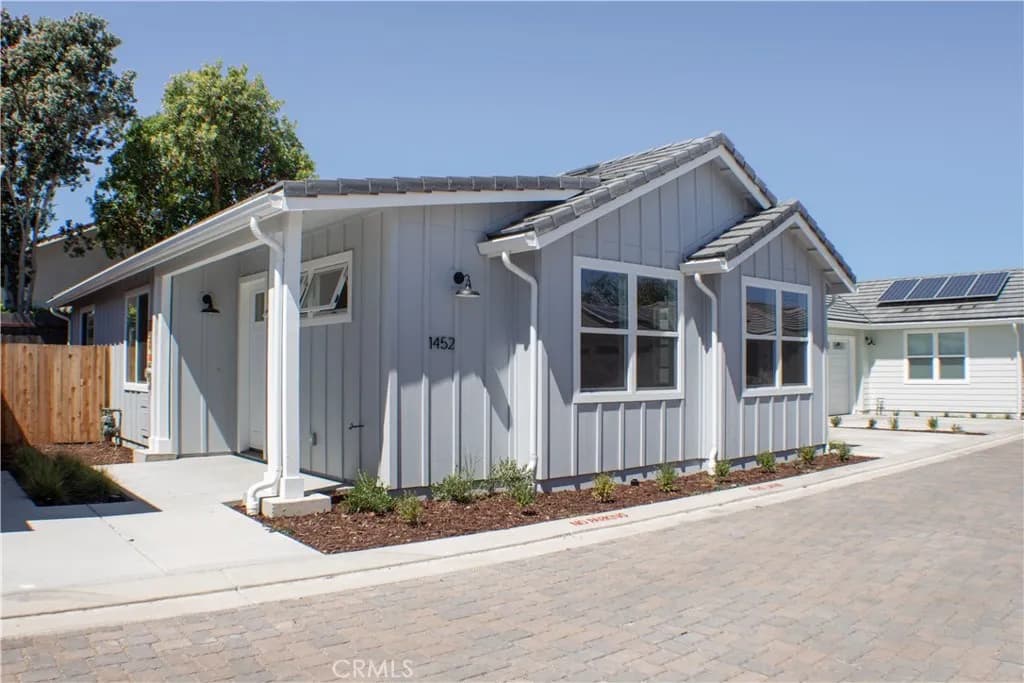
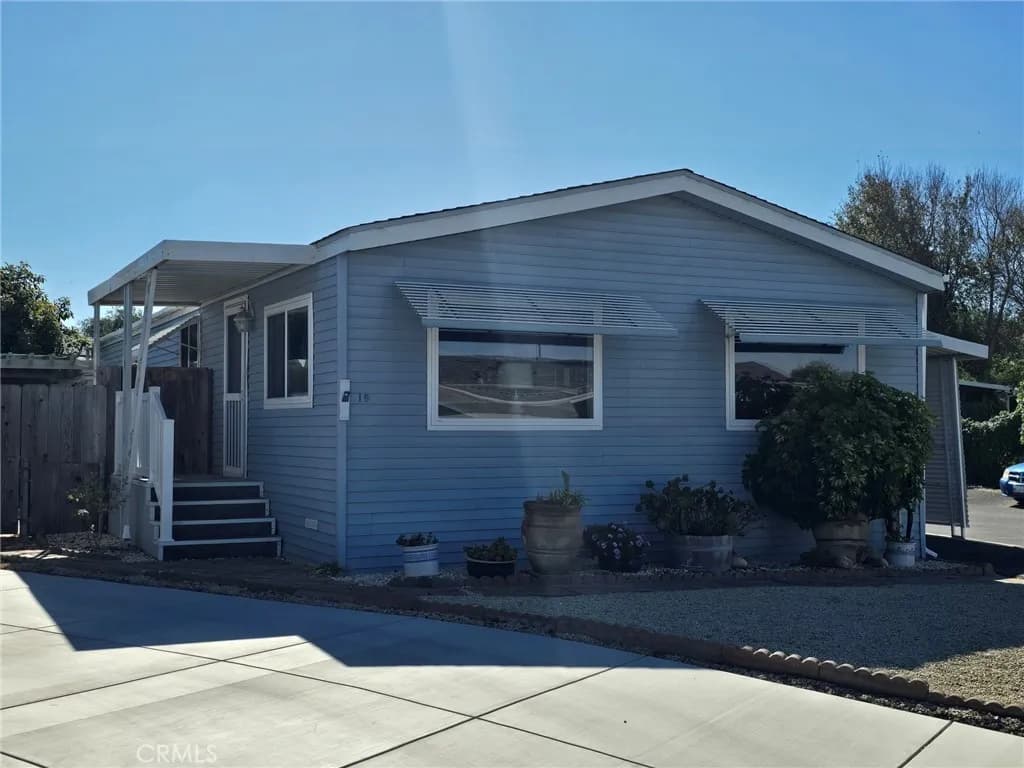
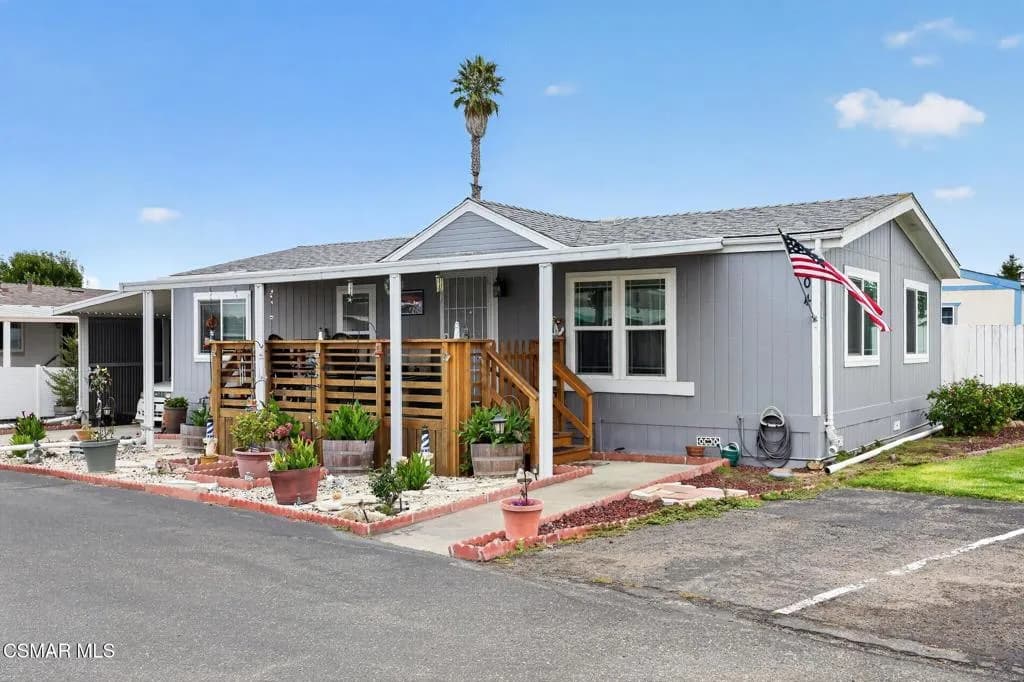
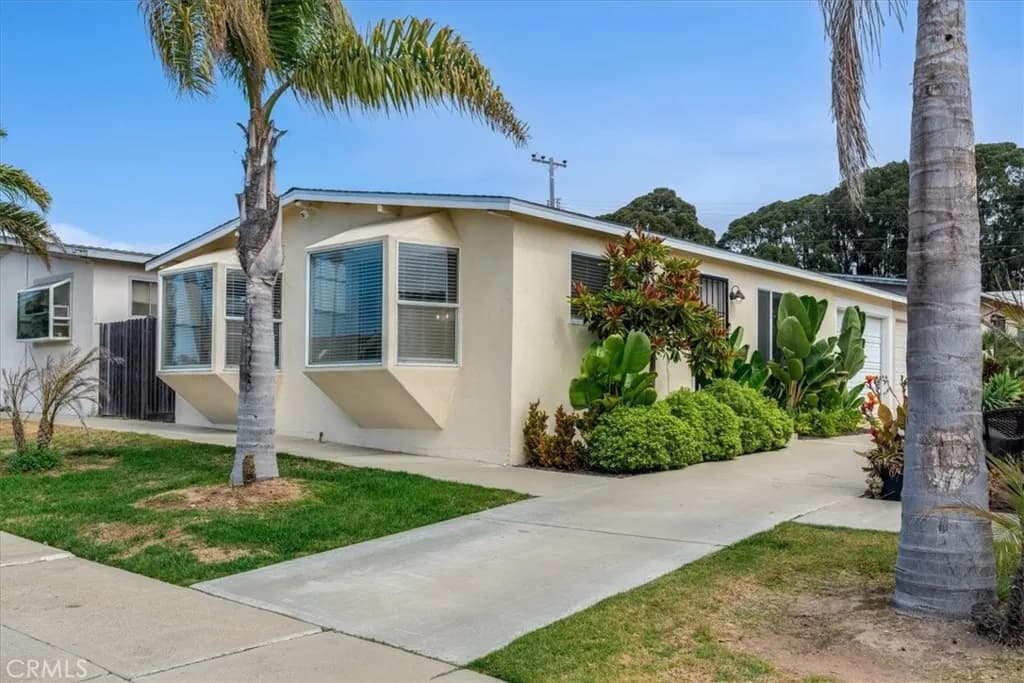
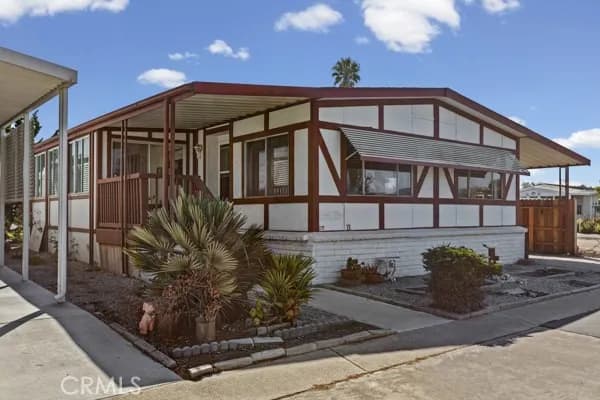
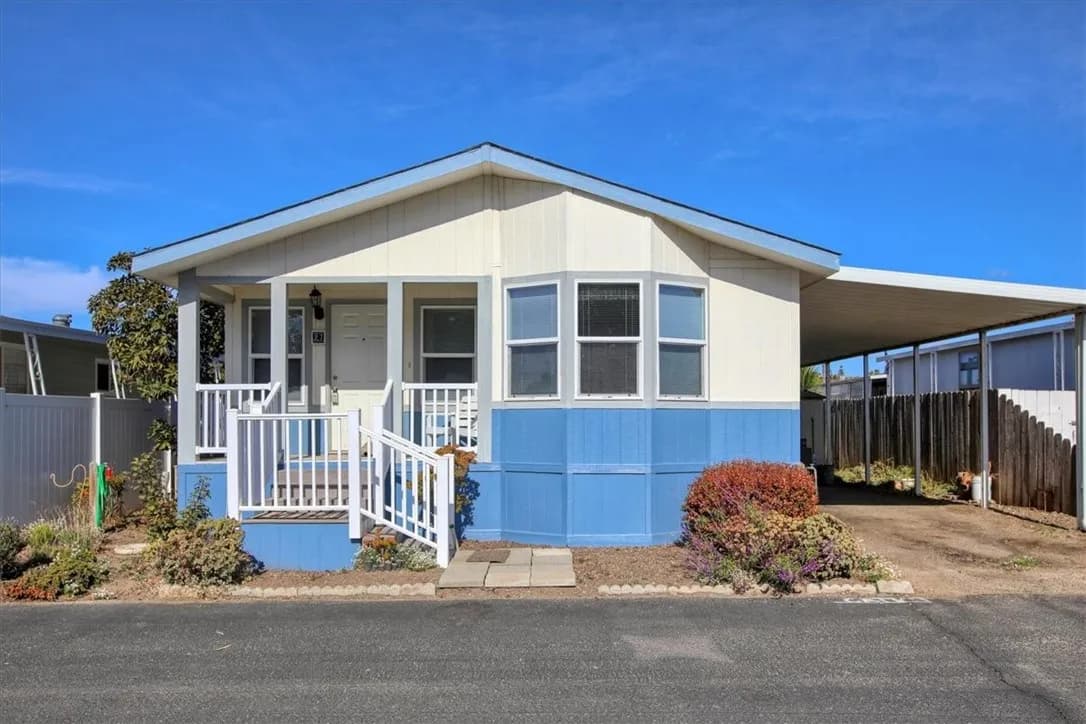
Housing tenure is the other structural fact. Site-built homes, manufactured homes on owned lots and spaces in parks sit side by side here, and they finance, insure and transact differently. County plans have long flagged the community’s infrastructure gaps, and in the last few years several of those projects have moved past paper. The downtown plaza envisioned in the 2013 Oceano Revitalization Plan opened in 2024. The Board of Supervisors adopted the Pier Avenue corridor study in October 2025, and roadwork on the corridor has followed. The study set out to close sidewalk gaps and improve walking and cycling access between Highway 1 and the beach. Community-level averages obscure more in Oceano than almost anywhere in the Five Cities area. If you’re serious about buying here, evaluate the specific street, flood zone, ordinance area and tenure type.
Income property in Oceano: two rulebooks, neither optional
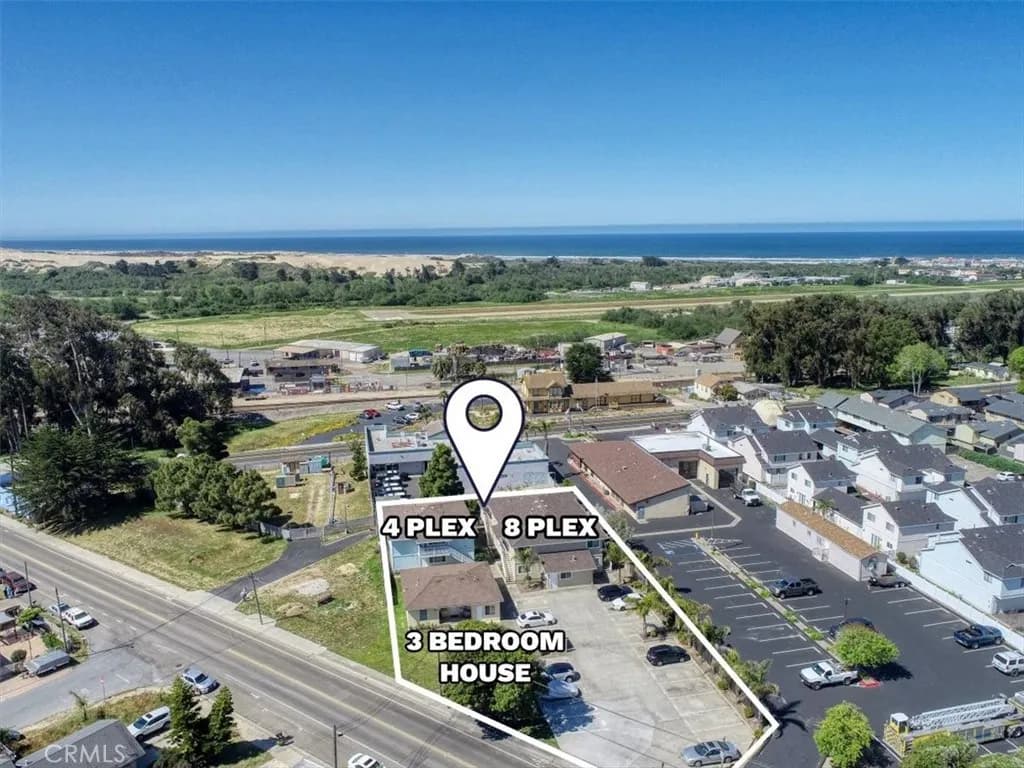
Oceano’s stock of duplexes, small multifamily buildings and manufactured-home parks means two separate legal regimes show up in underwriting. The first is statewide. The Tenant Protection Act of 2019 (AB 1482) caps annual rent increases on covered units, using an inflation-linked formula with an overall ceiling. It also requires just cause, stated in writing, to terminate a covered tenancy, with relocation assistance for no-fault terminations. There are exemptions, including housing newer than a rolling age threshold and certain individually owned single-family homes and condos. But the single-family exemption depends on both the ownership structure and a specific written notice to the tenant. Without that notice, the home isn’t exempt. The law has been amended since it passed and currently carries a sunset date, so its exact contours are a moving target.
The second regime is local and easy to miss. San Luis Obispo County’s Title 25 mobilehome rent stabilization ordinance governs space rents in mobile-home parks in unincorporated areas. It limits annual increases to a fraction of the inflation index and gives park owners a hardship process. Disputes run through a county Mobilehome Rent Review Board, and recent contested cases in the region were decided at the Board of Supervisors. Space-rent tenancies also interact with the state Mobilehome Residency Law. Long-term leases have historically been treated differently from month-to-month agreements, under rules that have themselves been changed by statute. None of this is a reason to avoid income property in Oceano. It’s a reason to have a landlord-tenant attorney confirm the specific property’s status before you close, and to verify every threshold and formula as current.
Short-term rentals in Oceano go through the county, and the coastal line matters
In Oceano, vacation-rental permitting runs through San Luis Obispo County. It takes a zoning clearance, a county business license and transient occupancy tax registration. Which land-use ordinance applies depends on whether the parcel is in the coastal zone or inland. In the coastal zone’s residential categories, the county applies spacing standards between vacation rentals. Where a property doesn’t meet them, there’s a Minor Use Permit path. The county wrote a community-specific set of standards for Avila Beach, Cambria and Cayucos, but not for Oceano, so the general coastal-zone standards govern here. Local rules and countywide programs have been actively revisited in recent years, including licensing-fee and enforcement changes. If you’re counting on nightly rental income, confirm the current requirements with County Planning & Building before you buy.
The caution for underwriting is the same as elsewhere in the unincorporated county. Eligibility is parcel-specific. A license that lapses can require new clearances under the standards in force at that time. The assumption that every Oceano property is an easy short-term-rental play fails on exactly these mechanics. A rental analysis that starts with the county’s rules, rather than a revenue projection, is the one that survives escrow.