An Arroyo Grande address doesn’t mean city limits
ZIP code 93420 covers far more ground than the incorporated city. Arroyo Grande itself spans roughly six square miles. Its ZIP code extends east into the Huasna Valley and south through the Los Berros and Valley Road corridor. It also takes in other unincorporated pockets of San Luis Obispo County. All of them carry Arroyo Grande mailing addresses.
The city line also sits closer in than those addresses suggest. Falcon Ridge, on Falcon Crest Drive southeast of town, is outside it. So are two Lucia Mar campuses with Arroyo Grande addresses. Branch Elementary on School Road and Mesa Middle on South Halcyon Road both stand on unincorporated county ground.
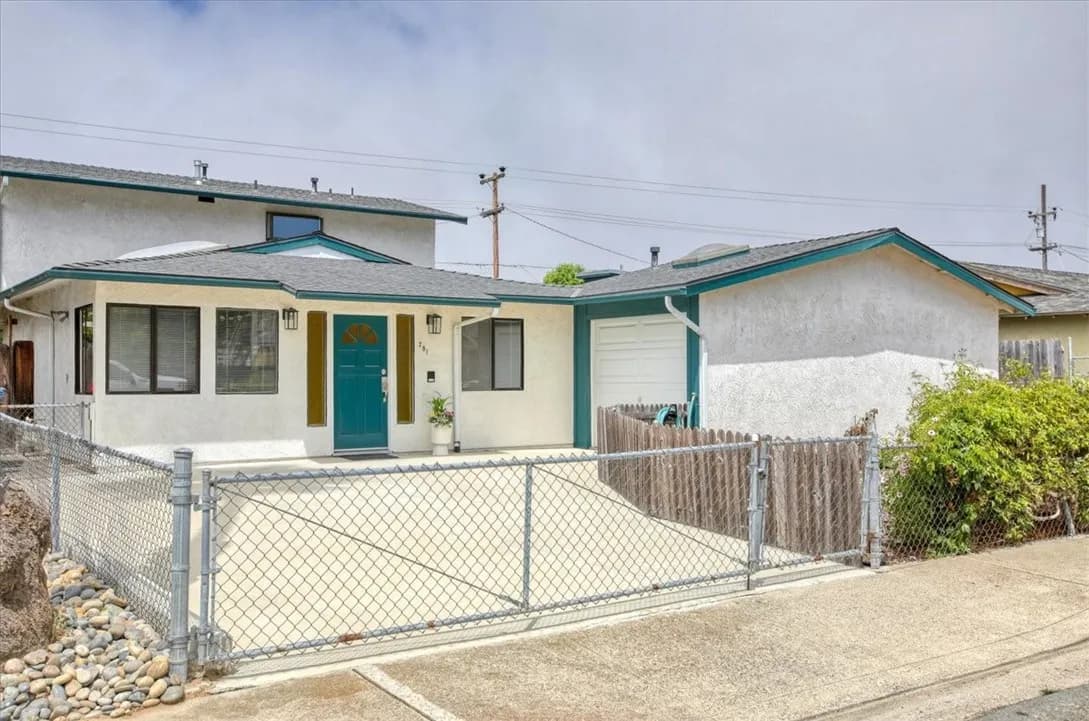
This matters because jurisdiction sets the rulebook. Inside city limits, planning, building, accessory dwelling unit (ADU) standards and short-term-rental permitting run through the City of Arroyo Grande. The City caps the total number of vacation rentals citywide. Police service comes from the Arroyo Grande Police Department. On unincorporated parcels, SLO County Planning & Building sets the zoning and vacation-rental rules, and the Sheriff’s Office provides law enforcement. Homes there commonly rely on wells and septic systems rather than city utilities. Confirm a property’s jurisdiction with the City or the county early. Nearly every later question depends on it.
Arroyo Grande Creek and checking a parcel’s flood zone
Arroyo Grande Creek rises in the Santa Lucia foothills. Lopez Dam impounds it about thirteen miles above its mouth. From there it runs down through the Village and Oceano to the Pacific at Pismo State Beach. Parts of its corridor carry flood-zone designations from the Federal Emergency Management Agency (FEMA). After severe flooding in the 1950s, a federal flood-control project completed in 1961 confined the creek’s lower reach. The result is a 3.5-mile levee and trapezoidal channel that runs from Los Berros Creek to the ocean. San Luis Obispo County Flood Control Zone 1/1A operates it. That system was tested in January 2023, when the channel filled and began spilling over its levees. The county evacuated low-lying areas south of the channel and west of Highway 1. The Oceano Lagoon reached capacity, and homes flooded on Tally Ho Road inside the city. The storms left enough sediment to reduce how much water the channel could carry, and the district later removed roughly 11,500 cubic yards of it.
If you’re buying near the creek, check the FEMA Flood Insurance Rate Map for the parcel. Federally regulated lenders must require flood insurance on homes in a Special Flood Hazard Area financed with federally backed loans. If you’re selling in a mapped zone, expect the designation to show up in natural-hazard disclosure reports during escrow. Flood maps are revised from time to time, so verify current designations through FEMA’s Map Service Center or the county.
Fire-hazard mapping and insurance, in town and on the rural east side
Fire hazard here is mapped under two different systems. Which one applies depends on the same city-versus-county line that governs everything else. Most of the hills and canyons east of Arroyo Grande, out Huasna Road and Lopez Drive toward Lopez Lake, are in the State Responsibility Area (SRA). There the State Fire Marshal classifies the Fire Hazard Severity Zones directly, and those zones took effect April 1, 2024. The incorporated city is in the Local Responsibility Area (LRA). There the state’s March 2025 map was only a recommendation until a local agency adopted it. San Luis Obispo County adopted zones for its own unincorporated LRA that April. The City of Arroyo Grande adopted its map by ordinance on June 10, 2025. That map is refined parcel by parcel, so a lot with any part in a zone is classed entirely within it. It has High and Moderate zones and no Very High. They cover much of the hillside north of US 101, including neighborhoods off James Way. They also cover a band along the eastern edge around Huasna Road and Branch Mill Road. The Village core and the flatter west side are unzoned. You can check any parcel on Cal Fire’s Fire Hazard Severity Zone Viewer.
An SRA designation carries an obligation of its own. California’s defensible-space law, Public Resources Code 4291, applies to every structure in the SRA, whatever its hazard class. It requires defensible space 100 feet out from each side of the building, with the most intense fuel reduction between 5 and 30 feet. The same statute adds an ember-resistant zone within 5 feet of the building. That requirement starts only once the Board of Forestry’s implementing regulations and guidance are in place, and three years after that for existing homes. Insurance availability has also become a standard check on hillside and rural parcels. Where conventional coverage is hard to place, the California FAIR Plan is the state’s insurer of last resort for basic property insurance. Zone designations and requirements keep changing, so verify a parcel’s current status with Cal Fire and the City or county before closing.
Wells and groundwater as a deal point on county parcels
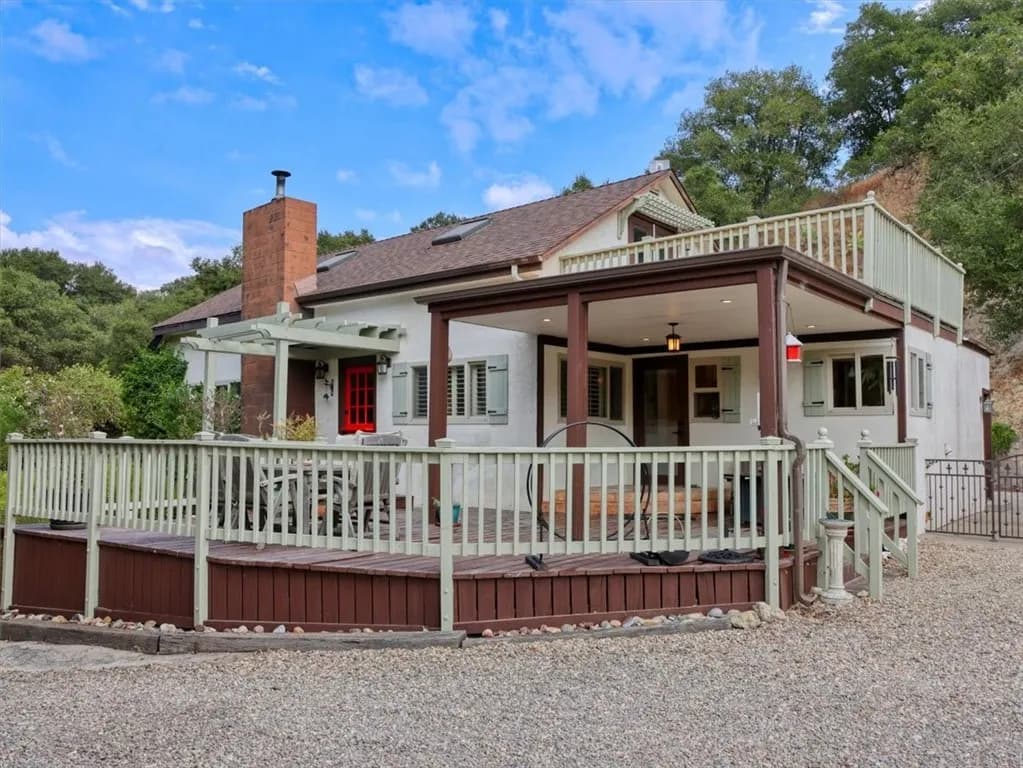
Many unincorporated parcels around Arroyo Grande rely on private wells rather than city water. The groundwater beneath the area is actively managed. The Santa Maria Groundwater Basin was adjudicated through a 2005 stipulation and a 2008 court judgment. Arroyo Grande, Grover Beach, Pismo Beach and the Oceano Community Services District together form the Northern Cities Management Area. It files annual monitoring reports under continuing court oversight, and the reports include seawater-intrusion data from sentry wells.
If you’re buying a home on a well, the checks are well established. New or modified wells need a construction permit through SLO County Environmental Health. No outside agency monitors private well quality, so testing falls to the owner. Well yield and water-quality tests are standard buyer contingencies on rural parcels. If you’re selling, a documented well history is an asset. Verify permitting and testing requirements with the county, because standards change.
ADUs and older second units: two rulebooks, one address
State law has steadily streamlined approvals for accessory dwelling units (ADUs). The standards that apply to an Arroyo Grande property still depend on jurisdiction. Inside city limits, municipal code Section 16.52.150 sets the local rules. The City Council rewrote it by an ordinance adopted December 9, 2025. Permits are ministerial, which means they’re approved without a hearing. A new ADU approved under the City’s own standards is capped at 1,200 square feet. An attached one added to an existing house is further limited to half that house’s floor area, though never below 800 square feet. No ADU or junior ADU may be rented for less than 30 days. On unincorporated parcels, SLO County’s ADU standards apply instead, including water will-serve letters and septic capacity requirements. The county also offers pre-reviewed plans to streamline approval.
Older unpermitted “granny flats” need particular attention. Assembly Bill 2533 was signed in September 2024 and took effect the following January. Its legalization rule applies to ADUs and junior ADUs built before January 1, 2020. A local agency may not deny a permit legalizing one over building-standard violations, unless correcting the violations is necessary to fix a substandard condition. The owner also generally can’t be charged impact fees or connection charges. That creates a documented path to legalization. If you’re buying, still verify the permit history of any second unit. If you’re selling, be ready to produce it. ADU rules change often, so confirm current standards with the City or the county.
What rural Arroyo Grande zoning actually allows
Whether a property can support horses, poultry or a workshop is a zoning question, not an address question. Inside the city, municipal code Section 16.48.040 permits noncommercial animal keeping in the Residential Estate, Residential Hillside, Residential Rural and Residential Suburban districts. It sets limits by animal type. It also sets minimum parcel sizes of 40,000 square feet for large animals such as horses and 20,000 for small ones. But much of the city is zoned for standard single-family or Village uses, where keeping animals is far more restricted.
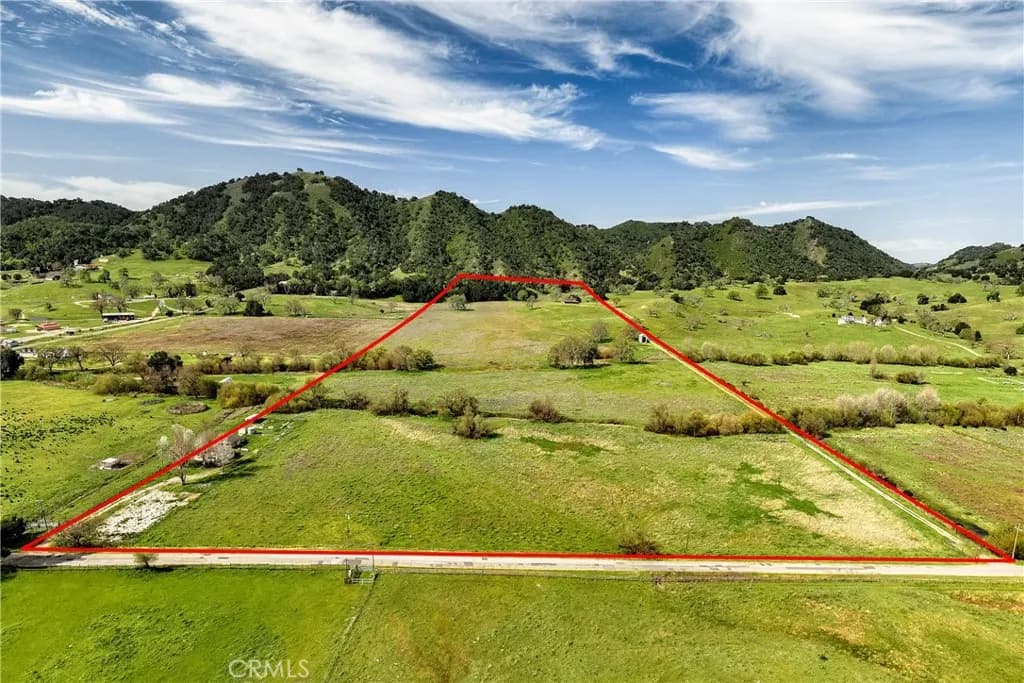
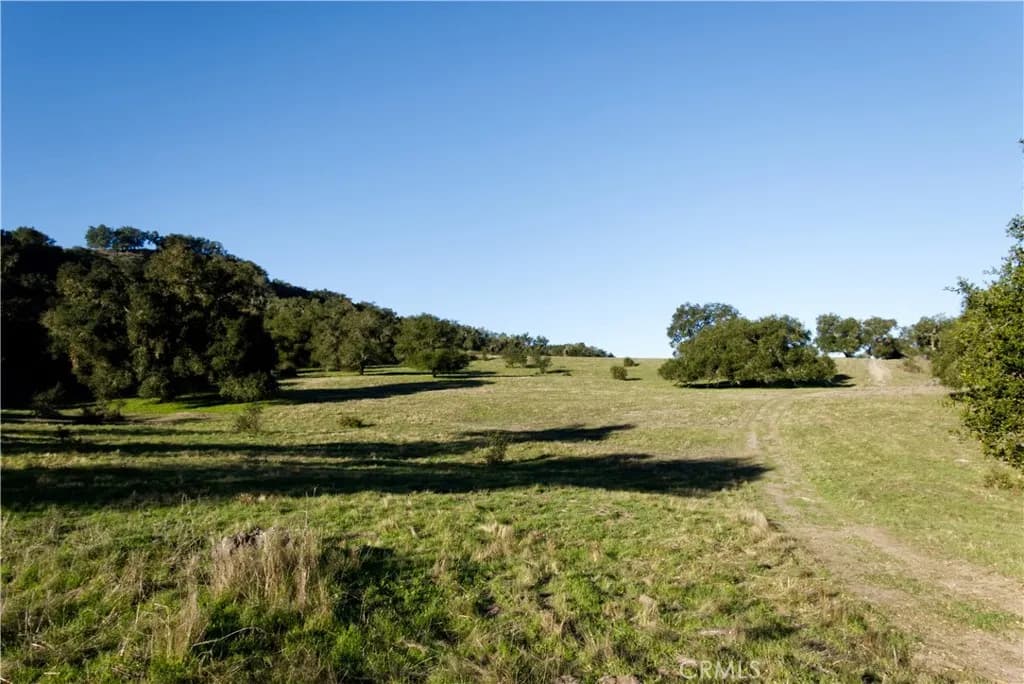
On unincorporated land east and south of the city, San Luis Obispo County’s Inland Land Use Ordinance (Title 22) governs. Its Agriculture and Rural Lands categories carry their own animal-keeping allowances. Agricultural accessory structures such as barns and stables are subject to the ordinance’s permit and siting standards. Allowances hinge on the exact designation and the parcel’s characteristics. So verify zoning with the City of Arroyo Grande or SLO County Planning & Building before you assume a rural use is permitted.
The Village: the city’s regulatory and cultural anchor
The Village is Arroyo Grande’s anchor, both cultural and regulatory. Its zoning, the Village Core Downtown district, is written to promote a walkable mix of specialty retail, restaurants, offices and upper-story housing. It’s combined with the D-2.4 Historic Character Overlay, which the code uses to preserve and protect older architectural styles. The City keeps adopted Design Guidelines and Standards for its historic districts.
The district also carries the city’s calendar. It has the Saturday farmers market in Olohan Alley beside the creek and the Harvest Festival, held every fall since 1937. Its landmark is the 1875 Swinging Bridge. If you own Village-area property, the overlay means exterior alterations are reviewed against historic design standards. Confirm what applies with the City’s Community Development Department before you plan changes.